With so many fitness trackers available today, it can be tricky to know which is the best heart rate monitor for weightlifting.
If you are into strength training, such as weightlifting, you probably know how challenging it is to stay on top of your reps, sets, and weights without overexerting yourself. However, if you put on a high-end fitness tracker with embedded gyroscopic sensors and built-in heart rate tracking, you can monitor your training intensity in real time.
With the market exploding with tons of fitness trackers, choosing the best one with advanced heart rate monitoring may seem overwhelming.
We have rounded up a comprehensive list to help you pick the best heart rate monitor for weightlifting.
What is a Heart Rate Monitor?
A heart rate monitor or HRM is a fitness tracking device that allows users to track their heart rate in real time or record that data for later analysis.
Your heart rate data is proximal to your pulse rate. Denoted by BPM (Beats per Minute), your heart rate is the number of times your heart muscle contracts to pump oxygenated blood to the rest of the body every minute.
While anyone can put on an HRM for periodic heart rate monitoring, these devices are mostly used by athletes during workout sessions.
Types of Heart Rate Monitors
Heart rate monitors come in two types:
- Chest-strap HRMs and
- Optical HRMs
Consisting of an electrode pad, a snap-on transmitter, and a fabric or plastic-made strap, a chest-strap HRM measures your heart rate in real-time based on ECG (Electrocardiogram) technology. The electrode pad sits snugly around your chest and requires moisture to detect your heart rate.
As you sweat during workouts, the electrode pad picks up the electrical impulses given off by your myocardial muscle that are transferred to the detachable transmitter.
The transmitter houses the required chips, battery, and a high-end microprocessor that stores and analyses the data captured by the electrodes. Once the data analysis is complete, your heart rate value is sent to the brand-specific app installed on your mobile via ANT+ or Bluetooth connectivity. It means that your mobile device acts as a receiver of the signal sent by the transmitter in the HRM and is responsible for displaying it.
High-end chest-strap HRMs support seamless integration with various smartwatches and third-party apps for better convenience.
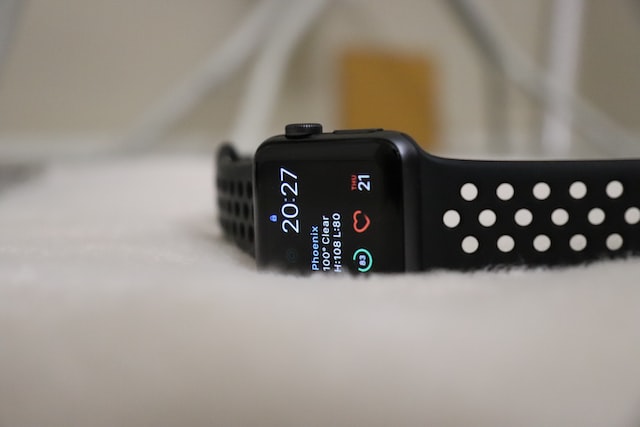
On the flip side, optical heart rate monitors, also known as OHRMs, the most popular HRMs, operate based on PPG technology. It’s a non-invasive and uncomplicated technology that utilises sensors and light sources to detect volumetric variation in blood circulation and translate it into real-time pulse rate.
Optical heart rate monitors house LED light sources that glean light of various wavelengths onto your wrist skin to illuminate the arteries underneath. As the lights vary in wavelengths, they interact differently with different tissue layers and transmit back to the photodetector in the device as reflected or refracted signals.
Based on these signals given off by the circulating blood, the photodetector measures the RBC concentration variation and encodes the data as ‘0’ and ‘1’. Later, a high-end software algorithm is leveraged to translate the encoded value into pulse rate data that is proximal to your heart rate.
Benefits of Heart Rate Monitoring
Even though it’s not a must, putting on a quality heart rate monitor is always the best option to keep your ticker in check and switch up your training routine with minimal effort. While athletes mainly use HRMs, anyone can cash in on a quality heart rate monitor to hit their fitness goals faster.
Of course, you don’t have to break the bank and get a top-tier device to be on the right track – all you have to do is pinpoint your health goals, search for options and pick the best one that can better meet your requirements.
Let’s dive deeper into the health benefits of using an HRM:
HRMs Log Your Training
How about having a stylish device that can level up your look and keep track of your health metrics while working out? Pretty cool, right?
Whether you prefer a chest-strap HRM or an OHRM, your device can auto-log your workout data comfortably sitting around your chest or wrist.
Even better, some heart rate monitors don’t need network connectivity to operate optimally – they can track your training progress and sync the captured data even if your mobile is away or you are offline!
From sleep tracking and VO2 max data recording to expertly keeping your heart function in check, a high-end get your body stats stored for days to help measure your efforts.
Source of Constant feedback
Nothing can be better than a quality heart rate monitor for anyone looking for the best way to keep track of their body stats. Your HRM is like your personal fitness instructor that can constantly update you on your workout efficiency and probably motivate you to keep on track.
No matter if you have partied hard, stuffed your face with those tempting food, or haven’t worked out for a couple of days. As you get notifications popping up on your device screen suggesting you ‘work out a bit more,’ you can get motivated to put the fire back in your workout routine and work even harder than before.
Get the Most Out of Your Workout
One of the leading benefits of using a heart rate monitor is that you can reap the best benefits from a training session by working out at the right intensity. As your HRM constantly sends you notifications about your heart rate during a specific training session, you can be assured that you can hit your target heart rate zone safely and without overexerting your body.
Most top-tier devices notify you of your lower and maximum heart rate based on a couple of factors, such as your gender and age, to help you tweak your activities promptly and get back to a safer THR zone.
Let’s look over how:
While working out in the anaerobic HR zone, your heart muscle cannot supply enough oxygen to your body for optimum metabolism as it keeps beating too fast. Your body turns glucose into energy resulting in a lactic acid build-up, making your muscles acidic. In this case, you should stop working out to dodge severe injuries. And it’s where your heart rate monitor enters the scene.
By notifying you of the intensity zone you are currently working out, your HRM can help you understand whether you should continue the activity session or need a break for recovery. So you can tweak your workout routine and sessions based on your requirements and hit your target heart rate goals safely and faster.
Helps Optimise Your Fitness Level
HRMs aren’t gimmicks- they are like your pacer that can provide a real-time snapshot of your heart functions and body stats. Plus, you can tailor your workout regimen by having personalised exercise ideas based on your schedule and current fitness level.
As we have already stated, an HRM tells you about the heart rate zone you are currently working out. So you can have a better idea of how much time you can sustain an activity session without overstressing yourself and steadily hitting your THR zone.
Thanks to chest-strap heart rate monitors that work on the latest ECG technology and can more precisely track your heart rate than OHRMs and help you optimise your fitness level.
Stay Healthy, Burn Calories!
Using an HRM can be your go-to choice if you have set off your journey to shedding weight.
By following up on your health and bringing the data in a single place, they help better comprehend and analyse a host of health metrics. For instance, when you have your heart rate monitor in action, you can pinpoint the energy source your body is exploiting during the exercise session.
As we all know, while working out, your heart beats faster than usual, and with the heart beating fast, your body muscles also burn more calories. But if your heart rate crosses a threshold, your body may start extracting energy from the stored carbohydrates rather than fat. When you use your HRM to track your heart rate, you can quickly tweak your exercise intensity to ensure your body can optimally expedite calories, so you can shed weight and not burn the essential carbohydrates.
Cardio Benefits and Weightlifting
Even though strength training, such as weightlifting, cannot offer the same level of cardio benefits as cycling or swimming, it is an essential part of any workout routine. According to the Physical Activity Guidelines for Americans published by the U.S. Department of Health and Human Services, both adults and children should aim for muscle-strengthening workouts like weight training as part of their one hour or more of daily physical exercise for at least 3-days a week.
Like other aerobic exercises, during weight training, your heart rate increases to help your lung bring in and supply the extra volume of oxygen your body muscles require as they do the lifts.
Weightlifting offers excellent cardio benefits – it helps build muscle mass to facilitate calorie-burning initiatives, even at rest. Such strength training activities help you dodge obesity and maintain a healthy weight, reducing the potential risks of cardiovascular issues to a great extent.
Plus, there is a comprehensive list of weight lifting health benefits – enhanced sleep quality, evading chronic diseases like type 2 diabetes, improved immune power to combat inflammatory issues due to infections, etc.
Best Heart Rate Monitor for Weightlifting
You will find the market booming with tons of fitness trackers with bells and whistles claiming to offer top-notch strength training functionalities. However, most of them simply can’t meet the user expectations when it comes to adding value or offering the best bang for the buck.
Many fitness tracker brands are now adding high-end strength training functionalities to their devices and HRMs to help athletes reap the most out of their weightlifting training sessions.
Go through the comprehensive list of the best heart rate monitors for weightlifting we have rounded up and make the best buying decision.
Garmin Forerunner 945
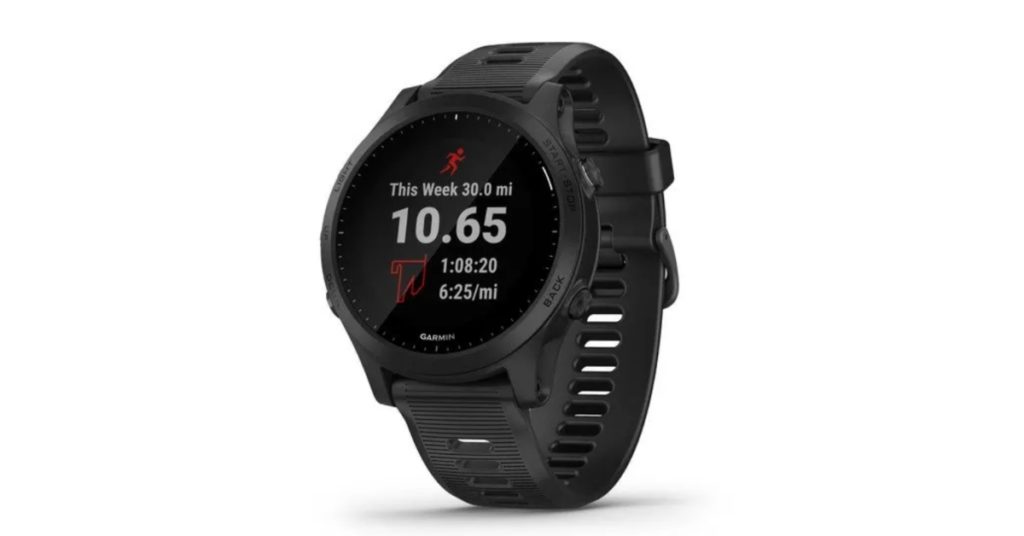
Blending innovations with a contemporary layout and cutting back on bulk, Garmin Forerunner 945 tops our list. It’s sleek, lightweight, and packs a punch that anyone can put on as daily wear or while working out.
The Forerunner 945 includes a Gyroscope sensor and accelerometer as built-in functionality for weightlifting.
Loaded with breakthrough technologies and high-end functionalities like HR monitoring, performance tracking, GPS, VO2 max, and more, this next-gen smartwatch from the Garmin ecosystem is the best of the breed and makes the most compelling package for pro fitness freaks who are after chasing down insane goals.
Key Features
Fitbit Versa 3
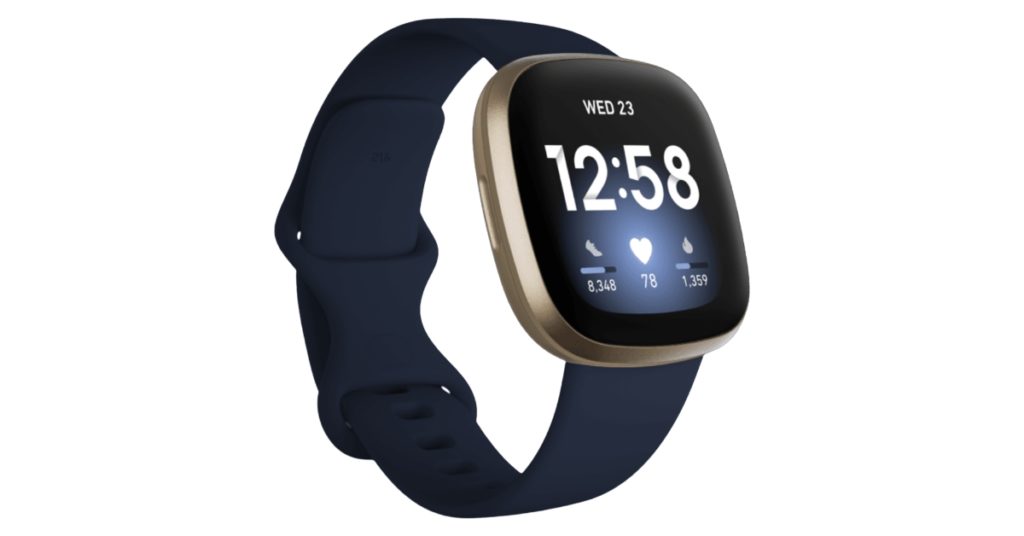
Built on the success of the predecessor, Fitbit Versa 2, Versa 3 is constantly pumping out almost all top-tier fitness trackers with hefty price tags.
Blending the latest multipath sensor technology – PurePulse 2.0 – for continuous and precise heart rate tracking with advanced navigation functionalities, Versa 3 has become the flagship product of Fitbit.
While its Daily readiness Score enables you to keep an expert eye on your ticker even on the go, with personalised insights, you can effortlessly switch up your fitness level.
Key Features
Fitbit Surge Fitness Super Watch
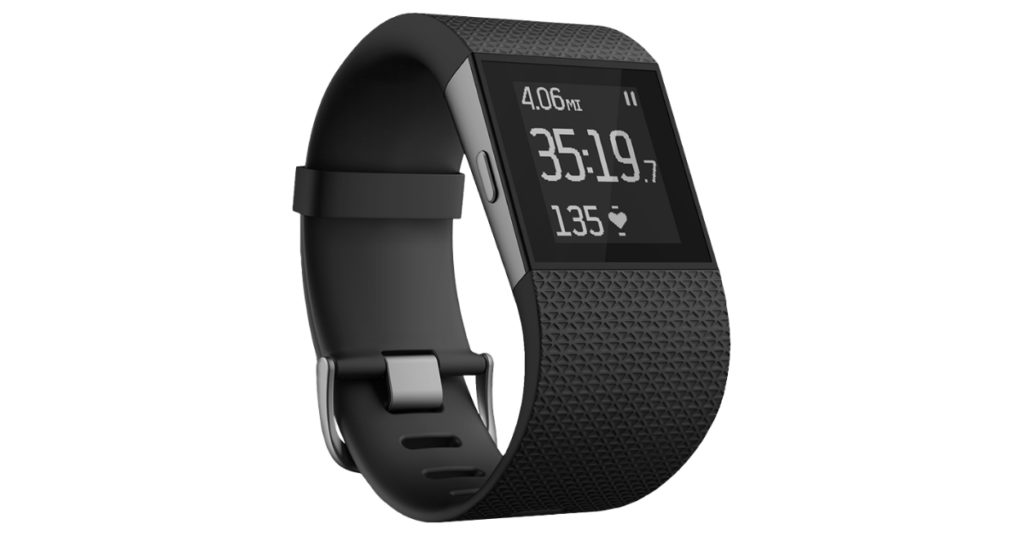
Accent your style while optimising your fitness with the latest Fitbit Surge – a trendy watch loaded with marquee features to help make your body less prone to burnout.
By enabling real-time tracking of multiple sports such as weights, trail running, and biking, Surge, the super-lightweight daily wearable, has become the most in-demand watch in its price bracket for those who love to train smarter and go farther.
Even though Surge is not swim-proof, it can seamlessly sync with a host of external devices – 200+ smartphones and even your computer.
With the Smart Notification functionality, only pair your Surge with your smartphone, and you can get your notifications and calls straight on your high-built Monochrome LCD.
Key Features
Polar Vantage M Multisport Watch
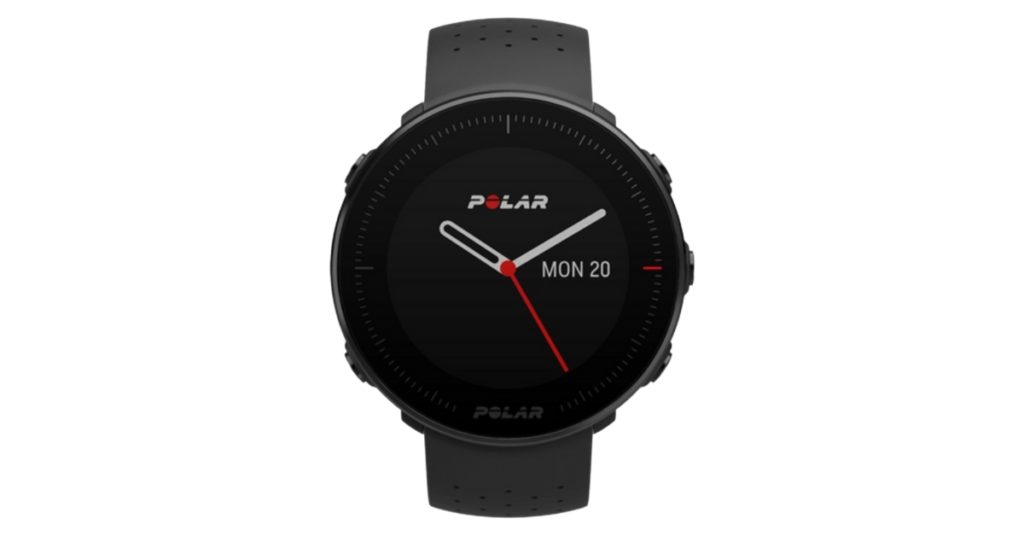
Blurring the lines between a traditional and high-end fitness tracker, Polar Vantage M – the chart-topping multisport watch – now comes with tons of power-packed features and plenty of health metrics to pore over and boost your fitness level.
It’s sleek, lightweight, and comes with 130+ sports profiles that make it one of the best smartwatches for those who strive to set new records.
While the integrated GPS & GLONASS offers you the best-in-class navigation functionality, you can schedule all your workouts, from individual sessions to full season plans using the Polar Flow app.
Plus, you can pair your Polar devices with your favourite fitness, training, or sports apps, analyse your progress, and share them with your friends!
Key Features
Apple Watch Series 7
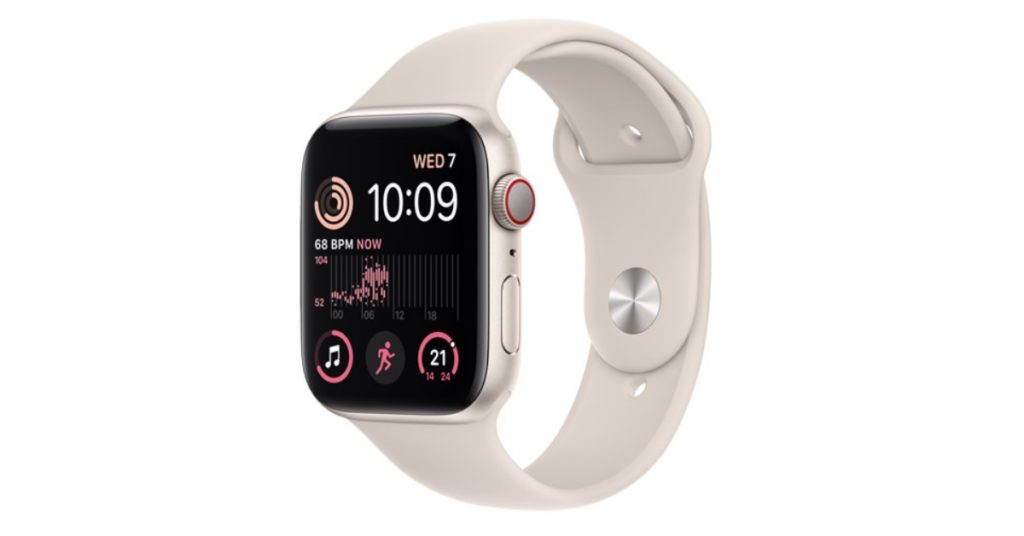
If you need a versatile and stylish wrist-based heart rate monitor that can offer you the best bang for the buck, you’ll be hard-pressed to find a more sweeping one than Apple Watch Series 7. Featuring the biggest ever 70% brighter Always-On Retina display that never sleeps, Series 7 is easy-to-read and offers you the best view of your watch face without adding minimal friction.
The 30% bigger ultra-durable LCD is not only easy for your eyes, but it’s also equally easy for your fingers – the buttons are redesigned for the best user experience, and with Apple’s QWERTY keyboard, you can use the QuickPath to tap, type, and slide from letter to letter.
Key Features
How to Choose the Best Heart Rate Monitor?
Let’s go through our guide to choosing the best heart rate monitor:
- Count on accuracy: Even though chest straps offer more accurate heart rate readings than wrist-based ones, OHRMs are now in the mainstream. However, if you need to track your heart rate with utter precision, ensure investing in an ECG-based HRM.
- Easy to read: No matter how many bells and whistles an HRM comes with, if the watch face is cumbersome to read, it’s of little use. Your smartwatch is more of a health tracker than a mere wearable. So make sure the display is durable and bigger enough. It should be bright enough and legible even in low-light environments.
- Target heart rate zone functionality: An heart rate monitor is a long-term investment and you would never spend your hard-earned money that fails to serve your requirements better, right? Unless you are a triathlete or pro cyclist/runner, you would mainly use your HRM for setting your THR zone. The smartwatches we’ve mentioned in this post include almost all high-end functionalities, including the THR zone, to help you track your health and workout efficiency without breaking the bank.
- Responsiveness: Buying an HRM that is not responsive enough and fails to sync data continuously as you work out is a big fat NO.

Christian Scott is the founder and director of MindBodyFit, a website dedicated to providing the latest information on fitness, health, and mental well-being technology. With over six years of experience in the health and fitness industry, Christian is a passionate fitness enthusiast who combines his love for technology and wellness to help others achieve their best selves.